
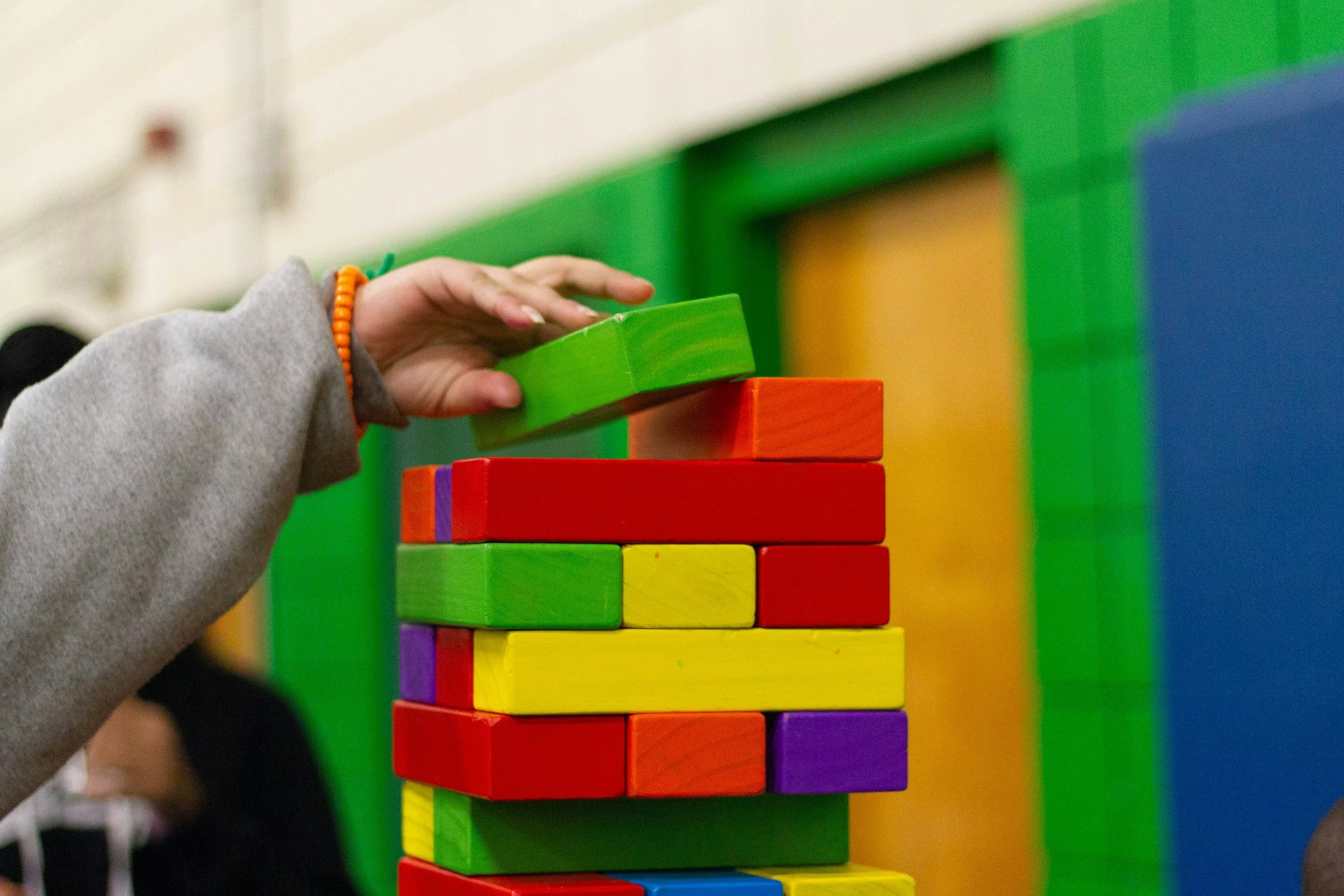
Building More Than Towers: Developing Creativity, Confidence, and Problem-Solving Skills Through Play.
Have you ever noticed how much children communicate through play? Sometimes, a child who has difficulty explaining how they feel can express an entire world of emotions through toys, drawings, pretend play, or building activities.
For young children, play is much more than entertainment. It is one of the most natural ways they explore the world, communicate their thoughts, develop relationships, and make sense of their experiences.
This is one of the reasons play therapy can be such a valuable tool in supporting children's emotional and social development.
What Is Play Therapy?
Play therapy is a therapeutic approach that uses play to help children express their feelings, work through challenges, and develop healthy ways to manage emotions and behaviors.
Young children do not always have the words to explain what is bothering them. They may feel frustrated, anxious, overwhelmed, or confused without understanding exactly why.
Through play, children have another way to communicate.
A trained play therapist may use toys, dolls, art materials, games, storytelling, and imaginative activities to help children express themselves in a comfortable and supportive environment.
Rather than expecting children to sit down and talk about their feelings, play therapy meets them where they are developmentally.
Why Is Play So Important for Young Children?
Play is an essential part of early childhood development. It gives children opportunities to practice important life skills while having fun and exploring their interests.
Through play, children learn how to:
Express thoughts and feelings.
Communicate with others.
Develop problem-solving skills.
Build confidence and independence.
Practice sharing and taking turns.
Understand emotions and relationships.
Develop creativity and imagination.
Navigate challenges and frustrations.
These experiences help children build skills that extend far beyond the classroom.
How Can Play Therapy Help Children?
Every child is different, and each child experiences emotions and challenges in their own way. Play therapy can provide support in several areas.
1. Helping Children Express Their Emotions
Sometimes children have big feelings but do not know how to explain them. Through drawing, storytelling, pretend play, or other activities, children can begin expressing emotions in ways that feel natural to them.
2. Building Confidence and Self-Esteem
Trying new activities, making choices, and working through challenges can help children develop confidence. Play provides opportunities for children to discover what they can accomplish and feel proud of their efforts.
3. Developing Social Skills
Playing with others helps children learn how to cooperate, share, communicate, and understand different perspectives. These experiences help build the foundation for healthy friendships and relationships.
4. Learning to Manage Frustration
Not every activity goes as planned. A tower might fall, a puzzle might be difficult, or a game might not turn out the way a child expected. These everyday moments create opportunities to practice patience, flexibility, and problem-solving.
5. Supporting Children Through Change
Changes in routine, starting a new school, welcoming a sibling, or adjusting to unfamiliar situations can sometimes feel overwhelming. Play can give children a comfortable way to explore and process new experiences.
The Difference Between Play and Play Therapy
It is important to understand that not all play is play therapy.
Children benefit from everyday play at home and school, and those experiences are essential for healthy development.
Play therapy, however, is a specific therapeutic approach facilitated by a trained professional who uses play intentionally to address a child's emotional, behavioral, or social needs.
Both have value, but they serve different purposes.
How Parents Can Encourage Learning Through Play at Home
You do not need expensive toys or elaborate activities to encourage your child's development. Some of the most meaningful learning experiences happen during simple everyday moments.
Here are a few ways to encourage play at home:
Make time for creative activities. Coloring, painting, drawing, and crafts allow children to explore their imagination and express themselves.
Encourage pretend play. Playing house, pretending to be a doctor, or creating imaginary stories helps children explore different roles and situations.
Play games together. Simple board games and matching activities teach children patience, turn-taking, listening, and problem-solving.
Let children lead sometimes. Give your child the opportunity to choose an activity and explore it at their own pace. Follow their curiosity and ask open-ended questions.
Make time for outdoor play. Running, climbing, exploring nature, and playing outside support physical development, coordination, and confidence.
Most importantly, enjoy the time together. Children benefit from knowing they have your attention, encouragement, and support.
Creating an Environment Where Children Can Grow
Early childhood is a time of tremendous development. Children are learning how to communicate, make friends, understand emotions, solve problems, and become more independent.
A nurturing preschool environment gives children opportunities to practice these skills every day.
At Prodigy Academie, we recognize that learning goes beyond letters, numbers, and academic activities. Creativity, exploration, social interaction, and hands-on experiences all play an important role in helping children develop.
We believe that when children feel supported, encouraged, and comfortable exploring their world, they have the opportunity to build confidence and develop a lifelong love of learning.
Sometimes the Best Learning Happens When Children Are Playing
The next time you see your child building with blocks, creating a picture, pretending to run a restaurant, or playing with friends, remember that something important is happening.
They are experimenting, communicating, imagining, problem-solving, and discovering new things about themselves and the world around them.
Play is not time away from learning.
For young children, play is one of the most important ways learning happens.
Interested in learning more about the early childhood experience at Prodigy Academie? We invite you to explore our programs and discover an environment where children are encouraged to learn, grow, and thrive.